
How To Choose the Right Laboratory Temperature Monitoring System
Nine key considerations for evaluating a new temperature monitoring system in your lab — from sensor range and connectivity to alert escalation and battery backup.
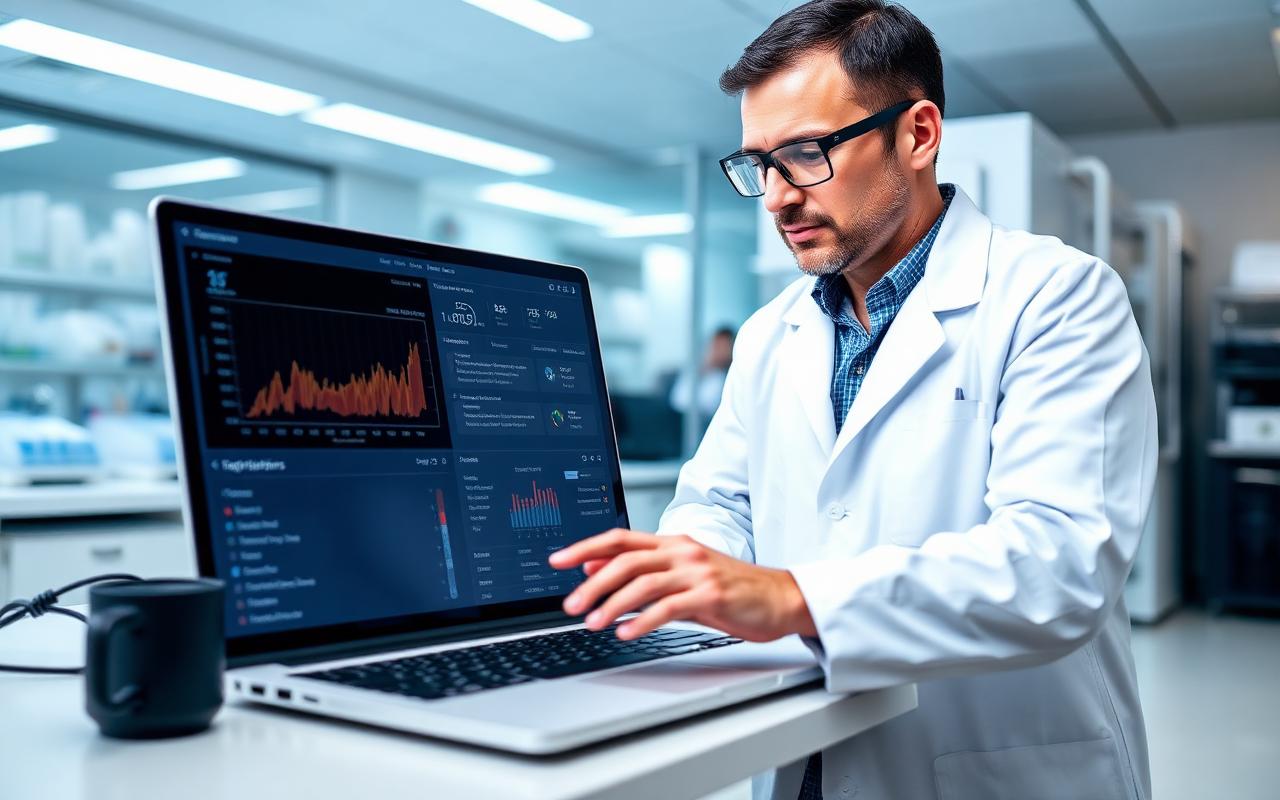
Nine key considerations for evaluating a new temperature monitoring system in your lab — from sensor range and connectivity to alert escalation and battery backup.
In the laboratory environment, maintaining precise temperature control in cold storage systems is critical. Fluctuations can compromise the integrity, stability, and efficacy of laboratory specimens and samples — some of which simply cannot be replaced. Mishandling of temperature-sensitive materials also raises serious regulatory compliance concerns.
An investment in a laboratory temperature monitoring system is one of the highest-leverage decisions a lab can make. Continuous monitoring gives personnel a proactive way to detect and respond to excursions outside a predefined range, prevents costly loss, and produces an audit trail that supports strict quality and regulatory requirements.
If you've already decided to invest in lab temperature monitoring, you've likely noticed there are a lot of options — and that can be overwhelming. The considerations below are the ones that matter most when evaluating a new system.
1. Wide Temperature Range Coverage
A laboratory temperature monitoring system should cover a wide temperature range — ideally anywhere from -250°C to +250°C. A platform that can monitor cold storage units, incubators, and ovens with the same hardware family makes it dramatically easier to scale system use across the lab over time.
2. Real-Time Monitoring Capabilities
In most labs, there is only a four- to six-hour window after a freezer failure for personnel to find spare freezer space and move specimens — or add dry ice to a failed ULT freezer as a temporary measure. A monitoring system must detect and report temperature deviations immediately so staff can intervene before that window closes.
3. Remote Monitoring Accessibility
Temperature failures happen at any time of day, on any day of the week. Remote access to live data and alerts ensures staff can maintain oversight of the lab when they're off-site or outside of regular working hours — a flexible, convenient way to stay informed and act when needed.
4. Reliable Connectivity
Communication between sensors and the monitoring platform should be seamless. Wi-Fi is one option, but LoRa wireless is notably more reliable: sensors can transmit data over longer distances and more easily penetrate walls and other obstacles. Wi-Fi is more prone to interference and signal degradation that can disrupt monitoring at exactly the wrong moment.
5. Comprehensive Data Logging
Comprehensive data logging supports accurate analysis and ensures compliance with the CDC, FDA, and other regulatory bodies. There is real value in storing this data on a vendor's secure servers — no local storage to manage, no ongoing maintenance burden on your team.
6. Customizable Alerts
Lab personnel have their own preferred communication channels — phone calls, emails, or text messages. Customizable alerts let you cater to those preferences while aligning notification severity with the seriousness of the temperature issue, helping the lab prioritize its response to minimize damage and loss.
7. Problem Escalation
If a freezer is struggling to hold temperature, it's helpful to be notified again as readings cross additional thresholds. A tiered escalation system also makes it easy to distinguish between a worsening problem that needs immediate attention and a borderline issue that simply requires close monitoring.
8. Back-Up Operations
Power outages happen in labs for many reasons, from severe weather to routine maintenance. When the lights go out, the monitoring system needs to keep recording so you can verify the safety of samples and specimens through the outage. Integrated battery backup is the most reliable way to ensure that continuity.
9. A User-Friendly Interface
An effective system has to be intuitive. Look for an interface that requires little training to get up and running. A shallow learning curve means faster staff response times, fewer chances for misunderstanding or error, and a tool people actually want to use.
Invest in the Ideal Laboratory Temperature Monitoring System
Choosing the right lab temperature monitoring system takes careful consideration. A system that meets all of the criteria above gives you an effective way to protect your assets while maintaining the highest standards of quality and compliance.
CORIS was built to check every one of those boxes. It's why laboratories across the country trust the safety of their assets to our remote monitoring system — and why we'd welcome the chance to show you how it could fit into your lab.
See how CORIS can protect what matters to you.
Talk to our team about a deployment tailored to your environment.